VR has moved very fast from being a concept of the future to an enabling technology, changing how people will behave in virtual environments. What once was for gamers and simulation labs is now recognized as having considerable potential for entertainment, education, and professional training. For adults from 20 to 50 years old, this technology is a new, different level of experience and a valuable resource for lifelong learning.
VR in Modern Entertainment
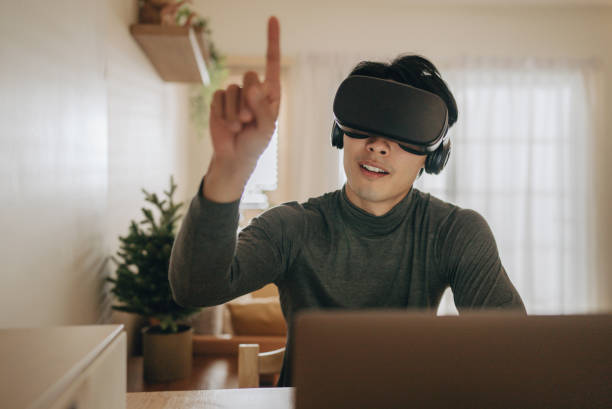
VR has opened up new avenues to forms of storytelling and interactive experiences in the field of entertainment. Traditional media-things like movies, television, and video games-limit the audience to a fixed viewpoint. VR literally places users directly inside an experience, allowing them to explore digital worlds freely.
Today, many entertainment companies are investing millions in VR content. Virtual concerts, 360° films, VR theme park attractions, and VR gaming platforms transport users to highly realistic experiences. For example, through headsets, gamers can enter fantastic landscapes, fight opponents in three-dimensional space, or interact with characters using real movements. This has taken entertainment to a very different level and given unique, memorable experiences.
VR for Education and Skill Development
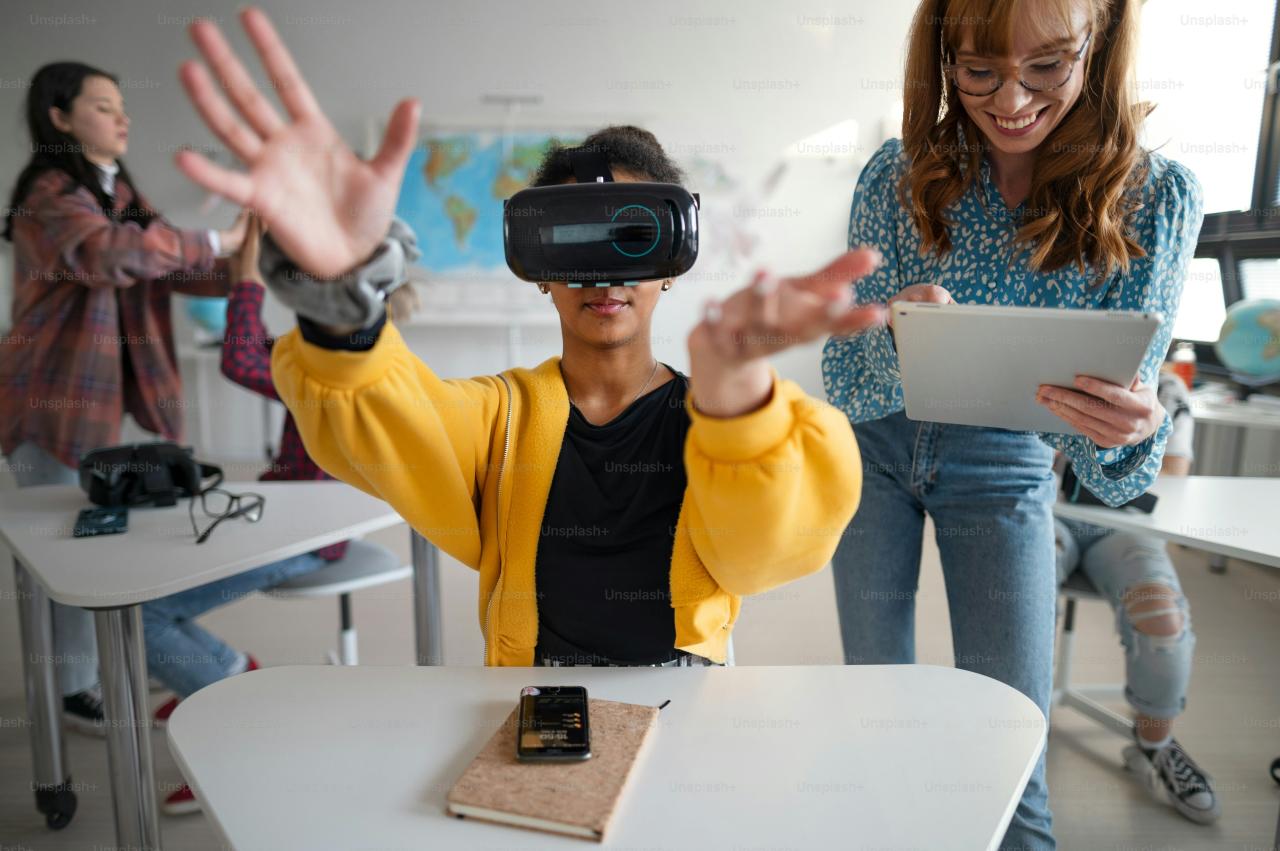
But beyond entertainment, VR has turned out to be a powerful tool for education. It allows learners to interact with information in greater depth, making even the most complex ideas more easily digestible. From virtual science labs to historical recreations, VR enables users to experience learning through simulation-a method proven to help retain memory and enhance comprehension.
VR is increasingly being applied to the simulation of real situations for higher education and professional training. Medical students may rehearse surgical procedures without any risk; architecture students can walk through virtual models of buildings, and engineers can test prototypes before they are actually built. These will improve learning outcomes and reduce costs and risks associated with traditional training.
Moreover, virtual reality learning platforms support remote education: students from all over the world can join virtual classrooms, interact with instructors, and collaborate with their peer group. That means quality education has become more available and adaptable to different lifestyles.
Enhancing Mental Well-being with VR
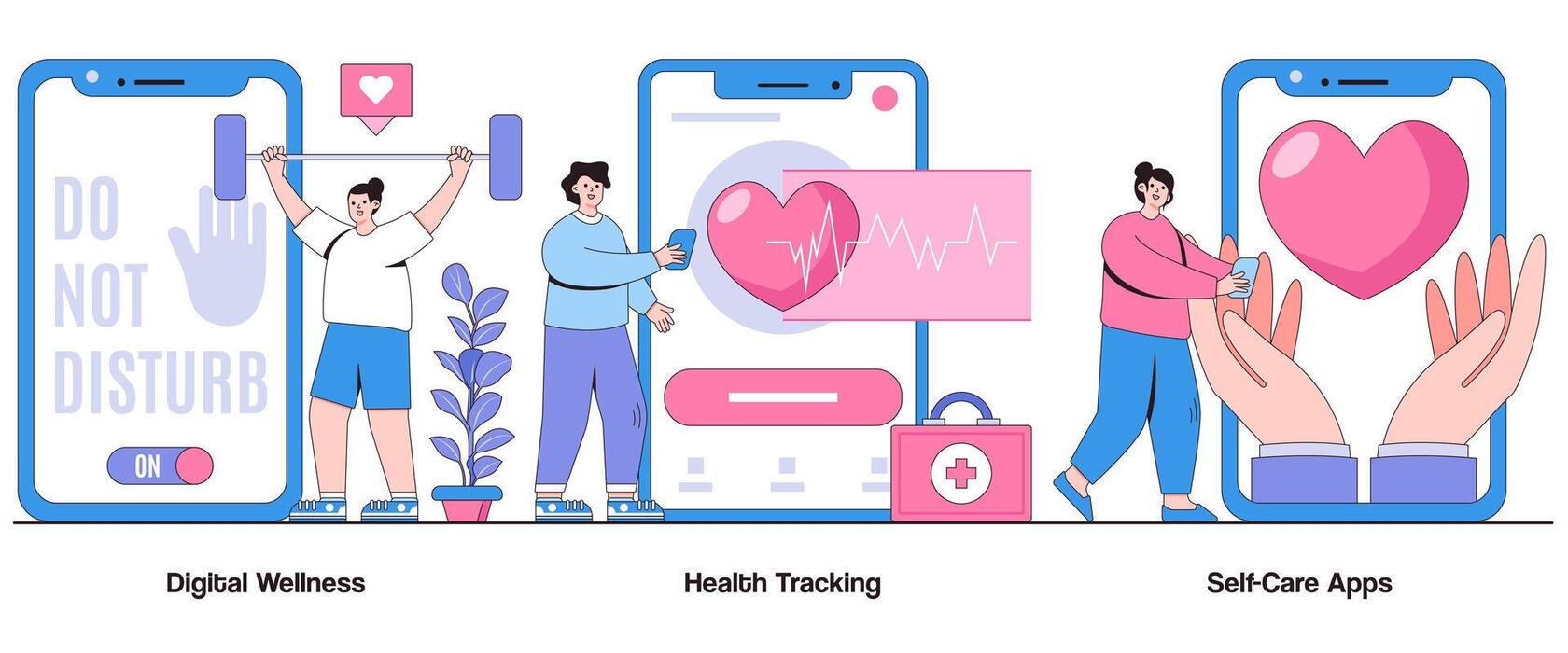
VR also contributes to mental health and personal development. Many wellness applications use VR for helping users maintain stress, practicing mindfulness, or conquering phobias through controlled exposure therapy. Guided relaxation environments, such as virtual beaches, forests, or mountains, provide calming experiences that help users unwind from daily pressures.
Various studies found VR therapy to be effective for anxiety disorders, PTSD, and chronic pain management. By providing safe, immersive environments, VR supports mental well-being and encourages healthy coping strategies.
Challenges and the Road Ahead
Yet, despite its enormous potential, a number of challenges persist: high-quality equipment comes at a cost; it sometimes provokes motion sickness or physical discomfort after long usage; and there are continued concerns over data privacy and digital addiction.
However, these are being sorted out rapidly due to the fast advancement in technology. The number of VR users is going to grow remarkably since VR devices are becoming more affordable, comfortable, and powerful. To many experts, VR is something that is going to become a mainstream tool soon-not only for leisure, but also for education and work.
Closing Thoughts
Virtual reality is leading edge innovation in a world of thrilling entertainment, learning, and personal growth opportunities. As technology becomes increasingly available and versatile, it is bound to change everything about the way people experience digital worlds. VR, for this dynamic generation, is not just a fad but the next great evolutionary leap in human interaction and discovery.