A fresh wave of change now moves through tech and telecom worldwide. Even as people get used to what 5G can do, top firms shift focus to what comes after. Big news arrived when Nvidia, known for chips and smart machines, revealed a bold step forward. Their target? A future network powered by artificial intelligence, built from the ground up for 6G demands.
This push might do much more than just make the internet faster. Not only could it change how people, devices, and online platforms link up later on, but also reshape their entire relationship. Should it happen, 6G infrastructure may support an AI-driven economic shift that rewrites the rules of connectivity.
Using Global Collaboration in Building 6G Ecosystem
Barely into spring, news broke at a huge tech gathering in Barcelona—Mobile World Congress. Not long after doors opened, Nvidia stepped forward with plans to team up with big names across telecom and tech worldwide.
Starting off, Cisco Systems joins forces with Deutsche Telekom, while Nokia steps in alongside T-Mobile US on this high-reaching effort. Instead of just speed, their shared goal leans toward building a network that thinks and adjusts by itself almost—something sharp and responsive. A new kind of base layer takes shape, not merely quick, yet alive to change moment by moment.
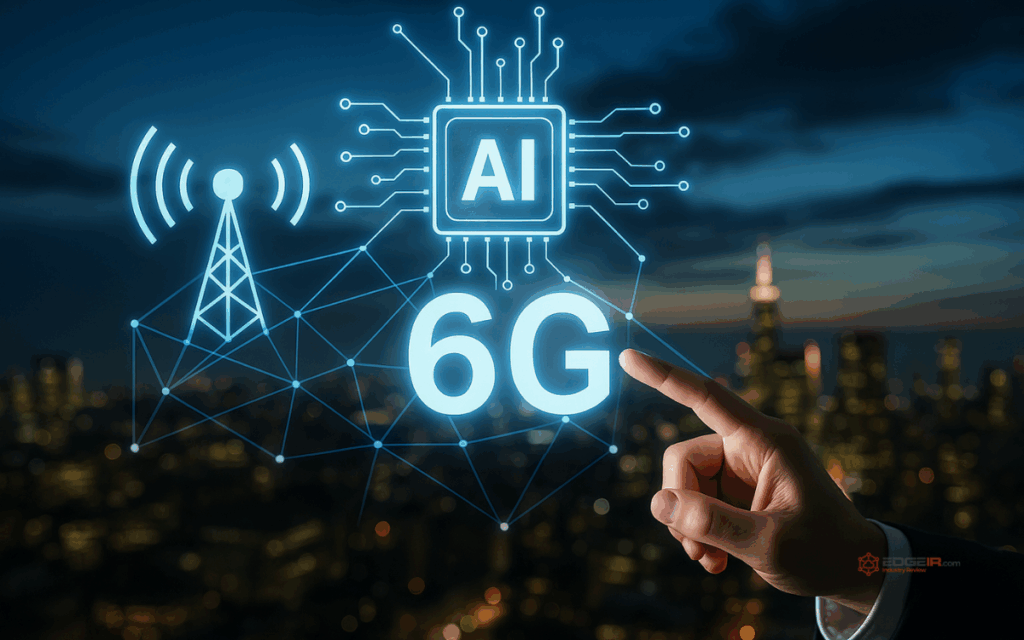
Right where things come together? That’s where AI-RAN takes shape. Built inside telecom systems, artificial intelligence shifts how signals flow through them. Instead of fixed rules, decisions adapt on their own traffic they will finds better paths. Efficiency climbs because adjustments happen in real time. Performance gains emerge without constant oversight.
Starting fresh each moment, AI-powered networks shift on their own instead of sticking to fixed rules like older systems did. These newer setups adjust themselves as things change rather than waiting for human input.
6G Supports the Rise of Artificial Intelligence
Should 5G be seen as a base for things like virtual worlds and connected devices, then 6G might reshape them far deeper. With time, specialists suggest it could form the backbone behind massive AI networks across the planet.
What happens when machines start shaping our conversations? A shift begins, says Nvidia’s leader. Telecom systems take on new roles is not just connecting people but changing how we engage with devices around us. The way we talk, share, think—altered by smart networks woven into everyday signals. Not a distant idea anymore. This change grows quietly inside cables and towers, guided by decisions made today.
Out in front, Huang laid out how future networks won’t just speed things up a whole lot and they’ll let countless self-running systems work at once without tripping over each other. Right there, gadgets like driverless cars, factory monitors, and high-end robots might swap data instantly, fitting together smoothly as if they were part of one living network.
Few sectors would stay untouched by these tools and factories might rethink workflows, delivery routes could shift overnight, hospitals may adjust routines, even streetlights in towns might adapt on their own.
The Path to 6G Becoming Available
Not just teaming up with big tech names, Nvidia’s reaching out to phone network providers across various areas too. Take Asia—work with Indosat Ooredoo Hutchison alongside SoftBank aims to speed up smart-network tools driven by artificial intelligence.

Far beyond simple connections, tomorrow’s networks grow smarter under AI-RAN. Capacity shifts on its own, shaped by real-time demand rather than fixed rules. Problems emerge and then vanish. It will be spotted before users notice. Intelligence weaves through data, lifting speed and reliability without human push. What once moved information now thinks about how it flows.
Even though it isn’t ready yet, trials for new tech backed by 5G Advanced could start within a few years across telecom networks.
By 2030, most experts expect full-scale 6G systems to be operating. Though glimpses may appear by 2028 through initial test rollouts.
Conclusion
Suddenly, Nvidia moves into building AI-driven 6G systems, shifting how we think about worldwide links. Because it blends smart computing with advanced phone networks, web speeds may rise sharply while adapting on their own. Machines might respond quicker now that signals carry more awareness through them. Entire sectors find tools awakening under this sharper flow of data. Progress hums quietly where old limits once stood.