Technology has been important in these couple of years in effecting behavioral changes in people as far as their health is concerned. Digital tools have made it easy for adults in their 20s through their 50s-each maintaining a busy and often fast-moving lifestyle-to stay up to date on their physical and mental health. Health tracking has grown from wearables and step counters into comprehensive systems that provide real-time insight and personalized advice.
Wearable Devices on the Rise
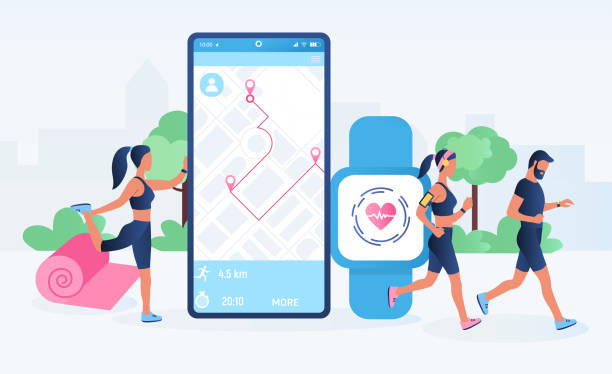
Wearable technology has become central in the process of tracking wellness during these modern times. Many of the advanced features built into most of today’s smartwatches, fitness bands, and health-oriented rings go far beyond merely measuring how many steps one has taken. These devices can monitor heart rate, sleep patterns, blood oxygen levels, stress responses, and even detect irregularities such as arrhythmias.
Health experts say that it allows users to witness exactly how daily life is affecting their well-being. For example, observing rising heart rates when experiencing any stressful situation, or other patterns revealing poor sleeping behavior, may further motivate users to change into healthier lifestyle habits.
Accessible Health Monitoring through Smart Phone Apps
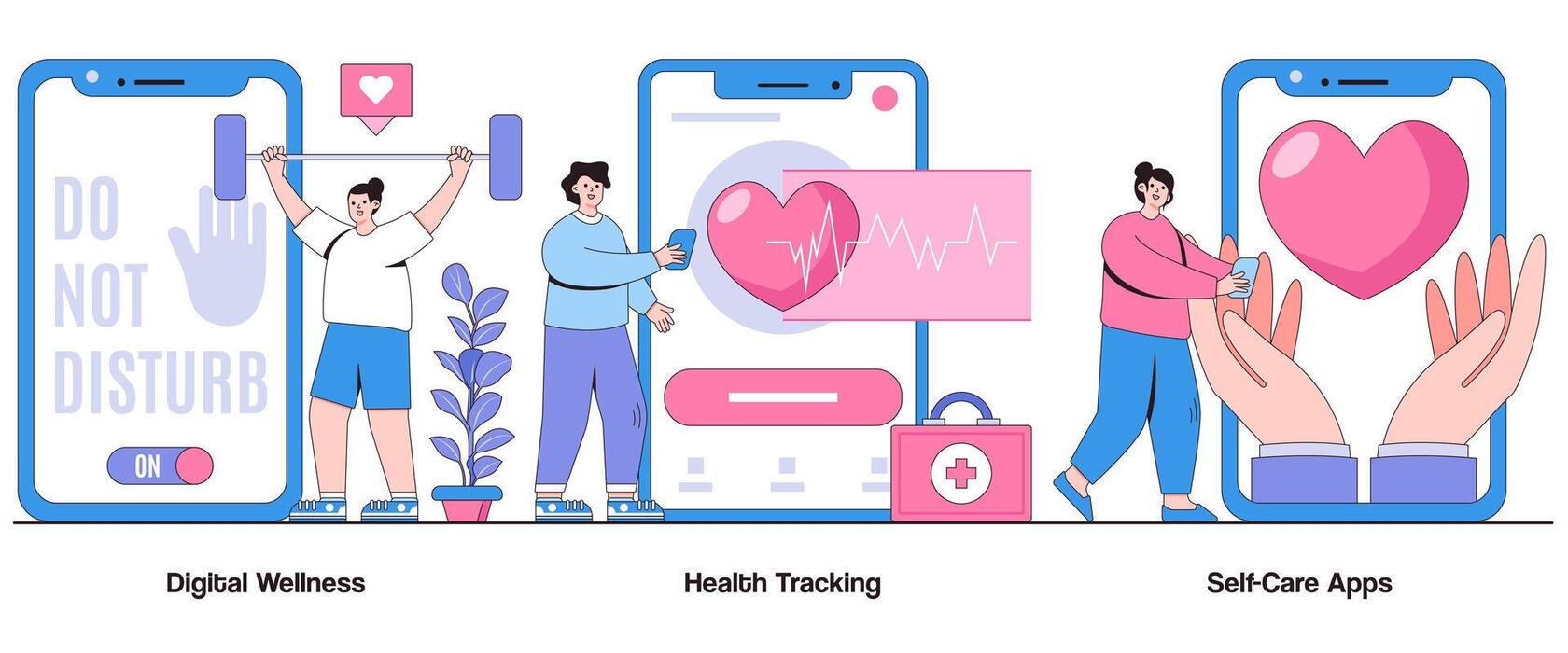
Another driving force for growth in digital health tracking involves smartphone applications. Most are designed to interact with wearables for that fully integrated view of daily activity, nutrition, and mental wellbeing. Users can log meals, track hydration, schedule workouts, and follow guided meditation sessions-all from one digital platform.
These applications also allow the user to stay motivated through reminders, goal-setting features, and progress reports personalized for each user. For the busy professional, such accessibility makes it easier to sustain consistency without becoming overwhelmed.
Smarter Decisions with AI-Powered Insights
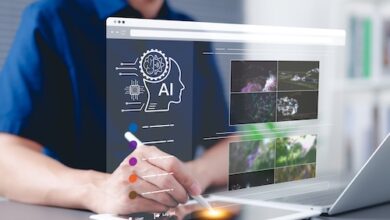
AI has become imperative in deciphering health information. It’s not about showing numbers any longer; it analyzes patterns and provides actionable insights. For example, some apps might suggest a revision in bedtime habits because it detected long-term inconsistencies in sleep, while some platforms can even predict potential health risks based on behavior trends.
This level of personalization empowers users at the individual level with informed decision-making rather than continuous medical supervision. AI is not about displacing professional healthcare; instead, it’s a day-to-day support system for wellness.
Remote Health Monitoring and Virtual Care
Technology has also bridged gaps in communication between patients and doctors. Through remote monitoring tools, people have the capability to share data with doctors in real time, which allows for much earlier detection of health concerns. For people with chronic conditions, such as hypertension and diabetes, this might prove to be a lifesaver.
Virtual consultations have also become more common. These are consultations in which a patient can be counseled through video appointments and digital health reports without necessarily having to attend a clinic. This is important for patients with tight schedules and for those who cannot easily reach healthcare facilities.
The Future of Health Tracking
Health tracking will continue to expand its capabilities with newer and ever-advancing technologies. Future devices might measure blood glucose sans needles, scan nutritional deficiencies, or study emotional patterns via voice and face recognition. Smart home systems might remind people to stretch, drink water, or take short breaks-such that wellness is about as easy as breathing in everyday life.
Closing Points
Technology is redefining the way people perceive and take control of their health. From wearable devices to AI-powered insight, the digital tools bring convenience, accuracy, and motivation to the individual seeking wellness improvement. It gives adults with busy lifestyles an easily accessible path toward healthier habits and a long-term life of well-being. With each new advance in technology, it will play an even larger role in helping people lead more informed, balanced, and fulfilling lives.