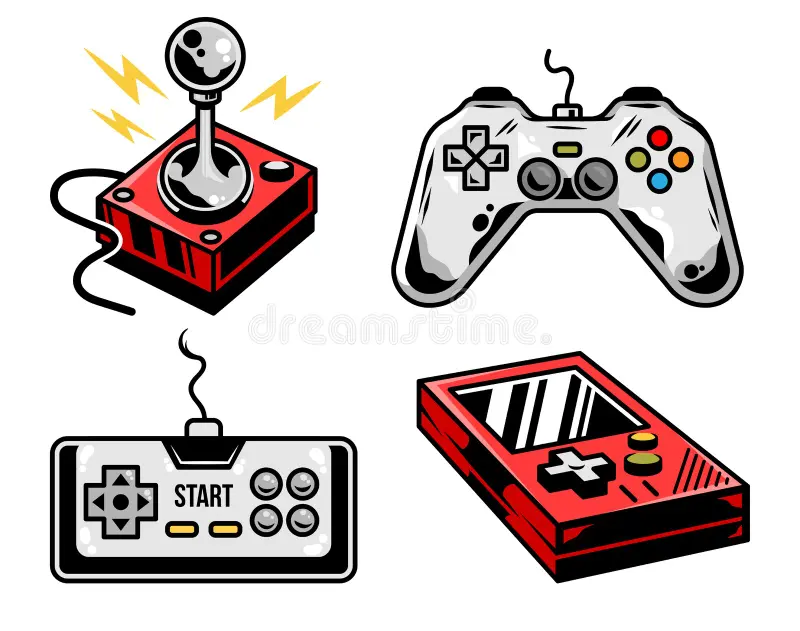
From blocky, pixelated graphics to the latest technology available today, gaming has grown from humble beginnings over the last forty-odd years into an entertainment leviathan. To most people-especially those between 20 and 50 years old-gaming is not a hobby; it’s some sort of a cultural phenomenon driven by innovation, competition, and community. Of the more significant shifts in recent years, perhaps the greatest change that is redefining how people access and enjoy games has been the shift from traditional consoles to cloud-based platforms.
The Early Era: Consoles That Changed Entertainment
The era between the 1980s and 1990s was when gaming started to be identified with home consoles. The Nintendo Entertainment System, Sega Genesis, and then PlayStation and Xbox brought gaming into the living rooms of millions across the world. It was through these consoles that truly iconic characters, deep storylines, and competitive multiplayer experiences were introduced into the industry.
In these days, gaming was vastly influenced by physical hardware: cartridges, discs, and controllers were what players used, and upgrades could only be made by buying more modern consoles. Though this may have built excitement for each new generation, it also put a significant limitation on those who couldn’t afford frequent hardware updates.
The Rise of Online Gaming and Digital Distribution
The introduction of online gaming to the world in the early 2000s changed everything. For the first time, broadband internet allowed players to connect with others from around the world, and just like that, gaming became a social sport. Franchises such as Halo, World of Warcraft, and Counter-Strike pioneered vibrant online communities that foster teamwork, competition, and long-term engagement.
Meanwhile, digital distribution systems like Steam revolutionized the way people bought games. Gone were the days of having to go physically to a store and buy a copy; instead, people could directly download games from huge online libraries. This in turn set the scene for more flexible and accessible experiences.
Mobile Gaming: Fun in Your Pocket
With the introduction of smartphones, the gaming audience increased a lot, and millions of users started carrying powerful devices in their pockets. It followed logically that mobile gaming became one of the largest sectors in the industry, and blockbusters like Candy Crush, PUBG Mobile, and Genshin Impact proved that mobile platforms are capable of providing high-quality entertainment.
Mobile gaming further influenced how developers approached game design, focusing on accessibility, quick play sessions, and microtransactions. This has extended the gaming demographic, letting gaming be far more inclusive across age groups and lifestyles.
Cloud Gaming: The Future Arrives
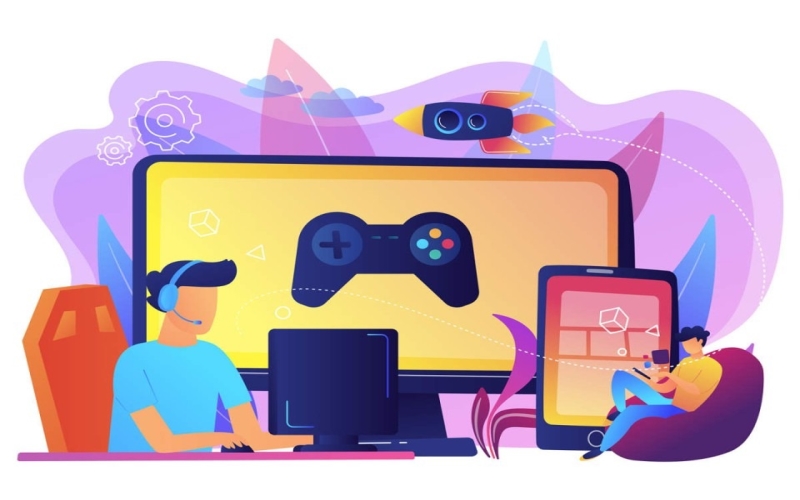
Cloud gaming is the next big leap-forward that could redefine the industry in its own right. Already, NVIDIA GeForce Now, Xbox Cloud Gaming, and PlayStation’s cloud services are allowing people to play high-level video games without having any powerful hardware at all. Instead of needing a powerful console or computer, players will need little more than a good Internet connection. This model also bypasses many of the classic hurdles: instantly loading games, automatic updates on remote servers, and jumping from device to device with ease. Cloud technology lets developers reach wider and reach a bigger audience.
Challenges and Opportunities
While promising, a number of challenges still face cloud gaming. It requires high-speed internet connections, and those are not all that reliable in many places. Gameplay could also be impaired by latency and connectivity issues. However, considering the rapid improvement of global internet infrastructure, the possibility of cloud gaming becomes highly realistic. It’s at the forefront of innovation in terms of opportunity: subscription-based models, cross-platform play, and instant-access libraries are revolutionizing how consumers engage with games, moving the industry from product ownership to a service-based ecosystem.
Closing Remarks
From first-generation consoles to modern cloud services, gaming has evolved alongside technology. Each generation finds new ways to play, to connect, and to explore the digital world. Cloud gaming is more than just a technological evolution, but it’s also a cultural evolution that increasingly positions gaming as the most universally accessible form of entertainment. For today’s gamers, the future holds more gaming options and more community-driven experiences than ever before.