
Shockwaves ripple across offices worldwide as Artificial Intelligence surges forward yet again. Voices from inside Big Tech now sound alarms about what’s coming. At the front stands Mustafa Suleyman – Microsoft AI’s chief – noting how quickly desk-based roles may vanish. His estimate? A wave of automation might hit half those positions before two years pass.
Right now, this isn’t some far-off prediction. According to reports covered by Futurism, Suleyman pointed out how today’s AI systems are edging close to matching human ability in most job-related functions.
Simply put, jobs like legal work, accounting, overseeing projects, or handling marketing might soon face changes once thought unlikely. While it seemed safe before, that safety net could already be thinning. “Most white-collar tasks will be fully automated by AI within 12–18 months,” Suleyman emphasized.
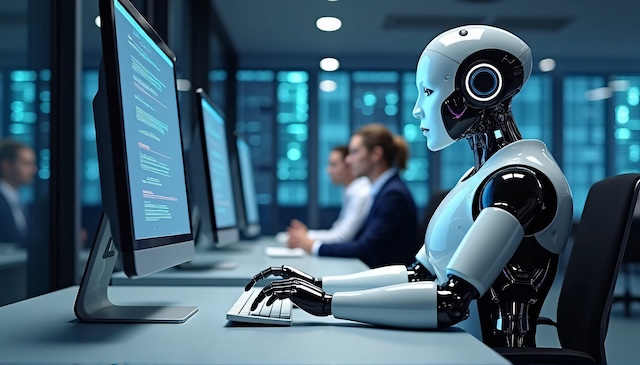
Growing Concerns About AI Impact on Jobs
Lately, worries have spread. People putting money into companies plus those working there feel uneasy. Machines that think are changing how jobs might look soon. Things got shakier after Anthropic introduced its newest helper machine. This one manages tough work tasks almost on its own. Fewer hands needed now.
That fact sticks in people’s minds when they check stock swings these days. Big names in tech share these worries too. Back then, Dario Amodei, who runs Anthropic, said AI might take half of starting office roles. Sam Altman from OpenAI admitted something alike – some kinds of work won’t come back after AI changes them.
Folks are starting to see it clearly – change powered by artificial intelligence isn’t waiting. It’s already reshaping how work happens, right now. What seemed like distant talk has stepped into today’s reality.
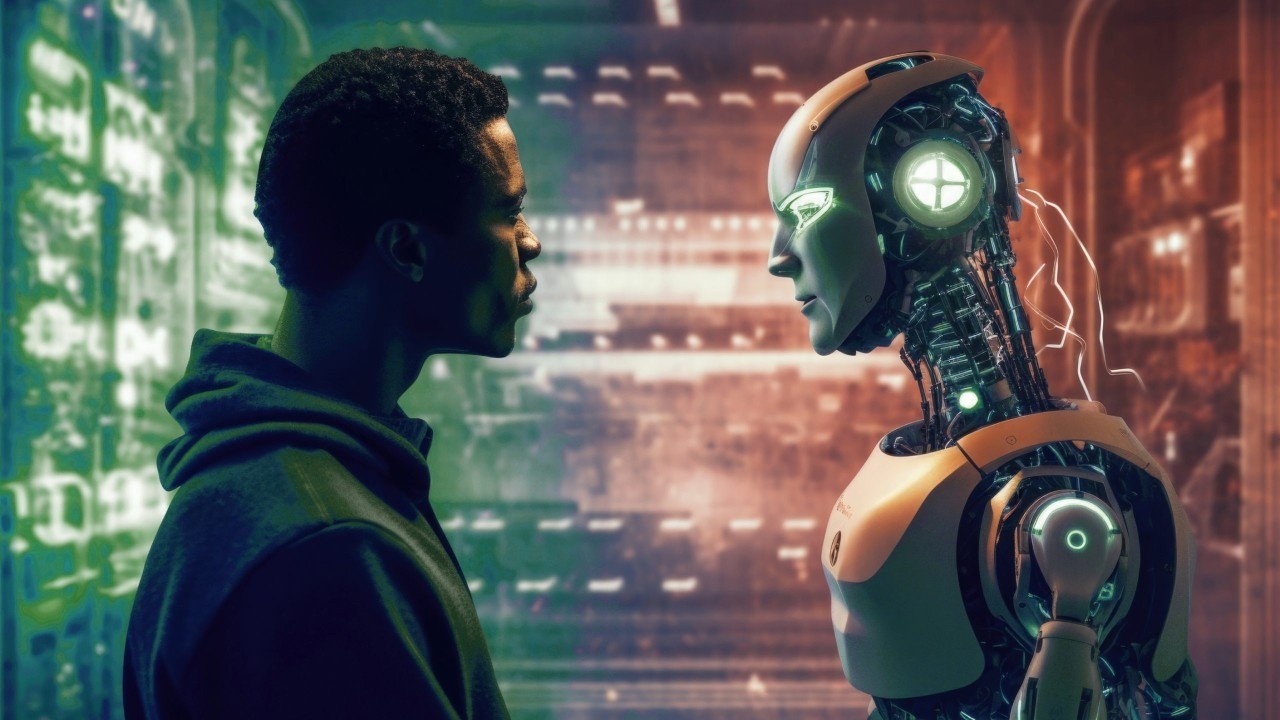
Automation already visible in tech
Software engineering isn’t guessing about AI anymore. Now, plenty of coders lean on smart tools to build big chunks of their programs. Microsoft admitted over 25% of its own code comes with help from artificial intelligence.
Even so, engineers still matter. Their work looks different now. People in the field focus more on big-picture tasks – shaping how systems are built, fixing complex issues, making things run at scale. One thing becomes clear along the way: machines aren’t taking jobs, they’re reshaping what people actually do.
Productivity Gains or Just Hype?
Even though many claim AI boosts speed and output, results from studies are all over the place. Some fields have tried using it, yet seen little gain in how well things run. At times, workers must double-check outputs again and again – just to keep things correct and safe – which drags down progress instead of speeding it up.
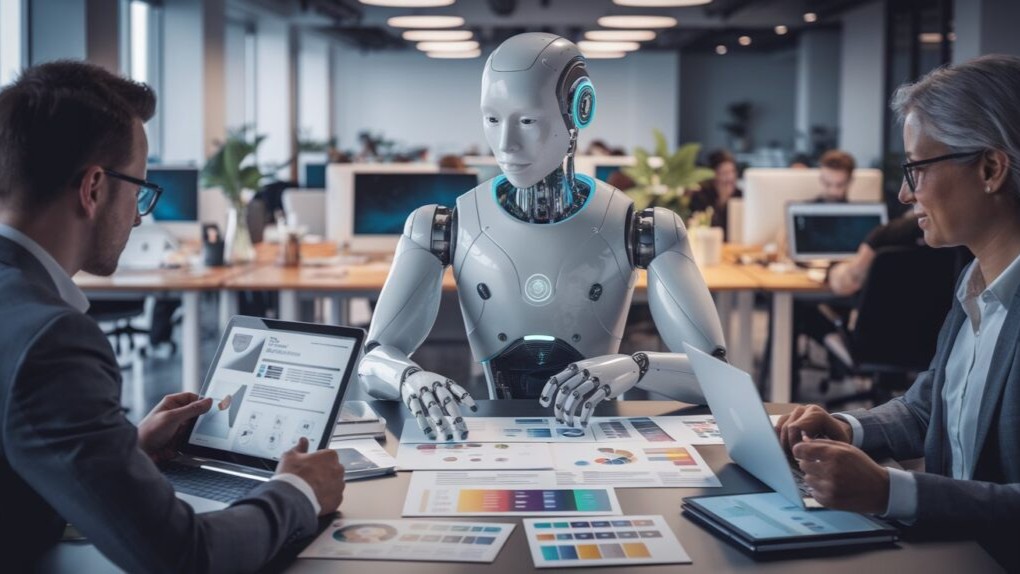
Here comes a fresh worry: “AI washing.” That phrase points to firms calling job cuts an AI shift, though saving money might really drive it. As stories about AI grow fast, spotting real tech progress versus budget moves gets harder. The boundary melts without much notice.
Still, artificial intelligence can make mistakes. In places where being exact matters most, people still need to watch over things – especially when rules must be followed without fail.
Conclusion
Right now, machines are stepping into office roles once held only by people, shifting how work gets done across countries. Tasks that required human thought yesterday are being run by programs today, quietly replacing familiar routines. Even if complete machine takeover stays unclear, one thing stands firm: staying useful means learning constantly, adjusting often, and retraining with purpose.